

The Importance of a Strong Home Network in Today's World
- Karl vonHaasl

- Aug 28, 2025
- 4 min read
In today's digital age, a strong home network is no longer a luxury but a necessity. With more devices connected to the internet than ever before, from smartphones and laptops to smart TVs and home automation systems, the demand for reliable and fast internet connectivity has skyrocketed. A robust home network ensures seamless streaming, smooth video calls, secure online transactions, and efficient work-from-home setups. This article explores why a strong home network is essential, how to optimize it, and practical tips to enhance your home internet experience.
Why Home Networking Matters More Than Ever
The modern household is a hub of digital activity. Streaming movies, attending virtual meetings, online gaming, and smart home devices all rely on a stable internet connection. Without a strong home network, these activities can become frustrating due to buffering, dropped connections, or slow speeds.
Consider a family where multiple members are working or studying from home simultaneously. Each person might be on a video call, streaming educational content, or downloading large files. A weak network can cause interruptions, leading to lost productivity and increased stress.
Moreover, smart home devices such as security cameras, smart thermostats, and voice assistants depend on continuous connectivity. A strong network ensures these devices function correctly, providing convenience and peace of mind.

Enhancing Your Home Networking Experience
Improving your home network involves more than just upgrading your internet plan. Here are some practical steps to enhance your network's performance:
Upgrade Your Router: Older routers may not support the latest Wi-Fi standards. Investing in a modern router can significantly improve speed and coverage.
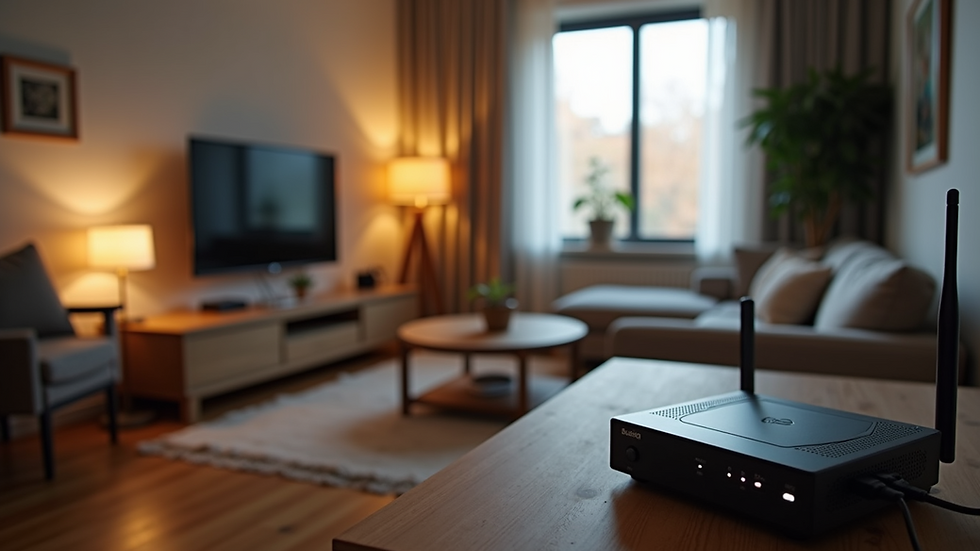
Optimize Router Placement: Place your router in a central location, away from walls and obstructions, to maximize signal strength.
Use Wired Connections When Possible: Ethernet connections provide faster and more reliable internet than Wi-Fi, especially for stationary devices like desktop computers and gaming consoles.
Implement Network Security: Use strong passwords, enable WPA3 encryption, and regularly update your router's firmware to protect your network from unauthorized access.
Consider Mesh Wi-Fi Systems: For larger homes, mesh systems provide seamless coverage by using multiple nodes spread throughout the house.
By following these tips, you can create a home network that supports all your digital needs efficiently.
What is the Best Network Setup for Home?
Choosing the best network setup depends on your home's size, layout, and internet usage patterns. Here are some common setups and their benefits:
Single Router Setup
Ideal for small to medium-sized homes. A high-quality router placed centrally can cover most areas effectively.
Mesh Wi-Fi System
Best for large or multi-story homes. Mesh systems use multiple access points to eliminate dead zones and provide consistent coverage.
Router with Range Extenders
Range extenders boost the signal from your main router to reach distant areas. This is a cost-effective solution but may reduce overall speed.
Wired Ethernet Backbone with Wi-Fi Access Points
For tech-savvy users, running Ethernet cables to different parts of the home and connecting Wi-Fi access points can deliver the best performance and reliability.
When setting up your network, consider the number of devices, the types of activities (streaming, gaming, work), and the physical layout of your home. Consulting with home networking companies can provide tailored solutions to meet your specific needs.
The Role of Security in Home Networks
A strong home network is not just about speed and coverage; security is equally important. Cyber threats are increasingly targeting home networks, exploiting weak passwords and outdated software.
To safeguard your network:
Change Default Router Credentials: Default usernames and passwords are easy targets for hackers.
Enable Network Encryption: Use WPA3 or at least WPA2 encryption to protect your wireless traffic.
Keep Firmware Updated: Router manufacturers release updates to patch vulnerabilities.
Use a Guest Network: Isolate visitors' devices from your main network to prevent unauthorized access.
Install Security Software: Use firewalls and antivirus programs on all connected devices.
By prioritizing security, you protect your personal data, financial information, and connected devices from potential breaches.
Future-Proofing Your Home Network
Technology evolves rapidly, and your home network should be ready to adapt. Here are some ways to future-proof your setup:
Choose Scalable Solutions: Mesh systems and modular routers allow easy expansion as your needs grow.
Support Latest Standards: Invest in equipment that supports Wi-Fi 6 or newer standards for better speed and efficiency.
Plan for Smart Home Integration: Ensure your network can handle the increasing number of IoT devices.
Regularly Assess Network Performance: Use apps and tools to monitor speed and connectivity, making adjustments as needed.
Staying ahead of technology trends ensures your home network remains reliable and efficient for years to come.

Embracing a Connected Lifestyle
A strong home network is the backbone of a connected lifestyle. It enables remote work, online education, entertainment, and smart home automation. Investing time and resources into building a reliable network pays off in convenience, productivity, and security.
Whether you are upgrading your current setup or building a new one, understanding the importance of a strong home network is the first step. With the right equipment, configuration, and security measures, your home can become a digital haven that supports all your online activities seamlessly. For personalized assistance, consider reaching out to professional home networking companies that can tailor solutions to your unique needs.
By prioritizing your home network today, you prepare your household for the demands of tomorrow's digital world.


Comments